Product knowledge
For a physical product, an ad that shows usually beats one that tells, and you cannot show, in three seconds, what you have never held.
The short version
Is this for you? For the ad built from stock photos and a script written off a spec sheet. It is for a physical product you can put in a box and send us; a spec sheet was never going to show how the thing feels in the hand.
What leaves your plate. The product actually handled, sometimes posted to us before a frame is shot, the brand studied as closely as the item, and the moment a box opens treated as the persuasion it genuinely is.
What starts working. Creative that shows the specific thing you sell, not a well-lit version of anything that would fit the same edit.
The smallest way in. A free audit: three fields, and a written reading back, usually within about three working days. It commits you to nothing.
What to read next. The five levels to see where this fits, or the casework to see it done.
An ad that shows, and what showing requires
Sometimes we ask you to post it to us
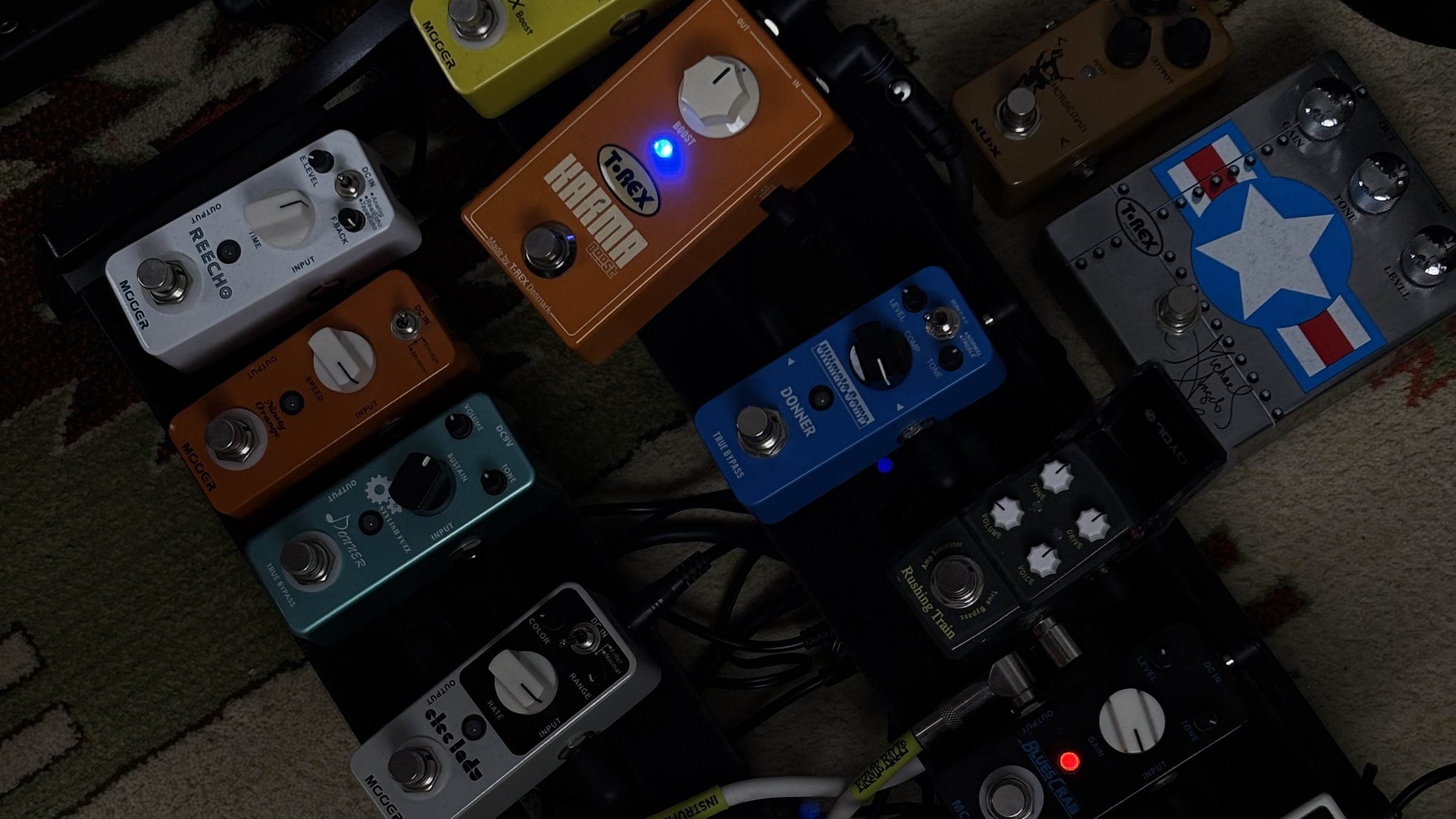
How a product behaves in the hand, how heavy it is, how the box opens, what it sounds like when it does. None of that is on a spec sheet, and all of it is what an ad has to show in the first three seconds.
Unboxing and packaging carry real weight
The moment a box opens is one of the few genuinely persuasive things a camera can record, and it carries as much as a social-proof carousel. It is also impossible to fake convincingly, which is exactly why it works.
We research the brand as carefully as the product
Archetype, positioning, the pain points the product actually solves. Partners often have not written these down, and the process of us asking is frequently the first time they get answered. We run the same process on ourselves, which is why it goes quickly.
Knowing it changes what gets filmed
A texture that photographs well, a mechanism worth a close-up, a flaw worth framing away from. Those are shot-list decisions, and they can only be made by somebody who has handled the thing. Read more: shot and b-roll lists →
Handling the product, or talking to somebody who does
What we ask for at the start
The product itself where it can be sent, otherwise a long call with somebody who uses it daily. Then the objections your support inbox actually receives, which are more useful than any brief.
What comes out of it
A shot list that knows what it is looking for, copy that describes something real, and a set of angles that are about the product itself, never about advertising in general.
Every ad that had to be written from a spec sheet looks like it was, and the audience notices before the brand does.
You cannot show, in three seconds, a thing you have never held.
What changes for you
Creative that shows the specific thing you sell, rather than a well-lit version of anything.
Related: Ad creative · Market and audience research · Statics and carousels · Hooks and variants
Send what is running and we will read it as an ad account, not a showreel: angles, variants and where spend is leaking. The reading comes back in writing.
Request your free audit.
Three fields, and a written reading back: a fit snapshot, two or three prioritised opportunities, and a recommended next step.
A person reads the channel and writes the audit by hand: a considered read typically takes three working days. That is the usual shape, not a promised turnaround. We use these details only to reply to you: no lists, no lurking.
What you will get
A fit snapshot: where your channel stands, and whether we are a match.
Two to three opportunities: specific, prioritised, yours to keep.
A recommended next step, even if that step is not us.
The audit is free and commits you to nothing: nobody follows up with a call you did not ask for.
The casework shows all of this done.
The case studies are the same work with the numbers, the sources and the dates attached.
See the casework →