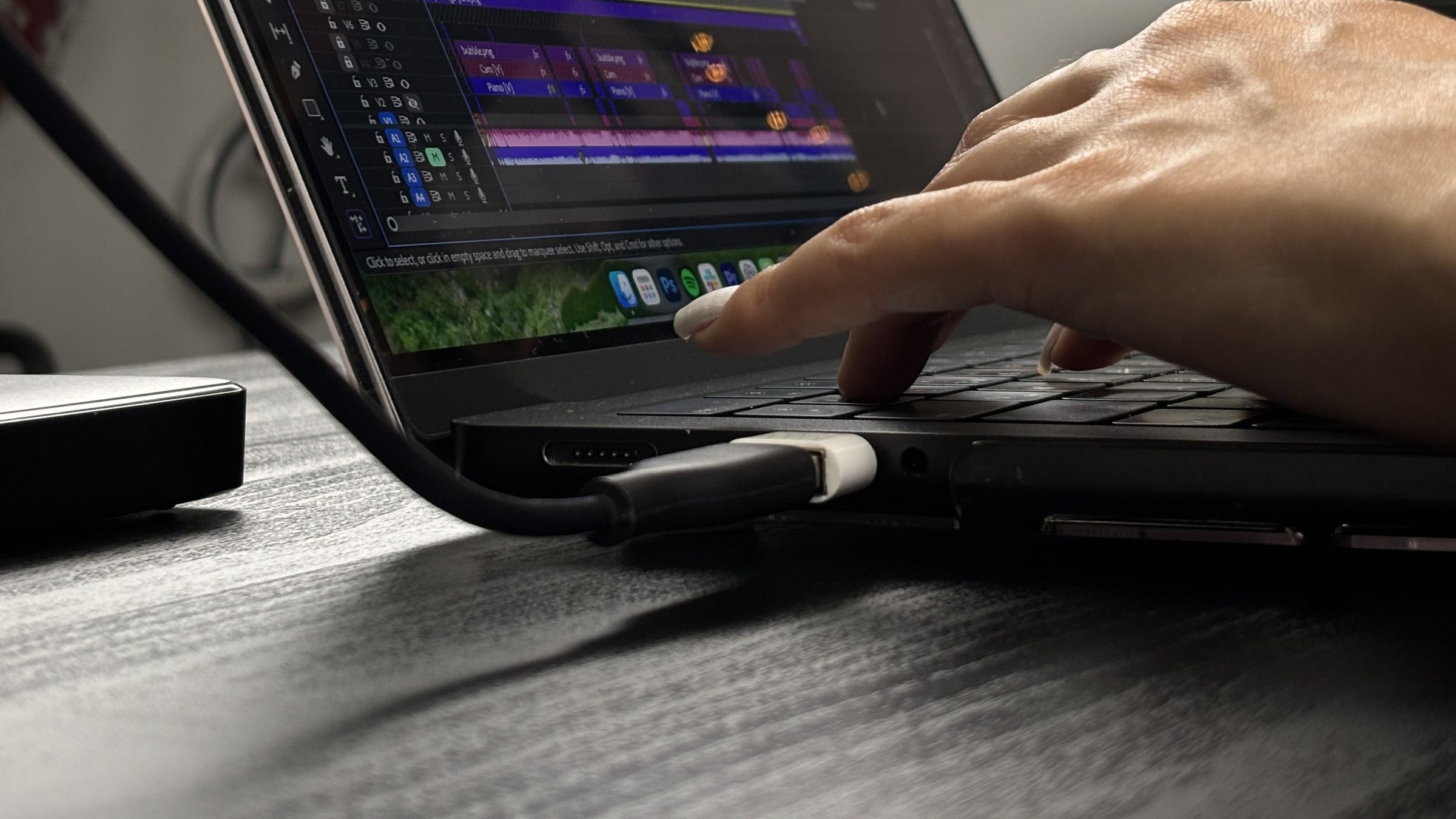
Video post-production
The main line, and the one where the difference is hardest to name and easiest to feel.
The short version
Is this for you? If editing is eating your week and every video has to be made to one standard and still reusable a year later. Not if you need a single file once and will never touch it again.
What leaves your plate. Assembly, pacing, colour, type, sound, packaging and delivery run as one process instead of a queue of favours across four suppliers, with the standard kept for you in writing rather than in your head.
What starts working. Video that holds attention where it matters and can be reused where it pays, handed over so cleanly a stranger could pick it up in a year. The difference is the kind you feel before you can name it.
The smallest way in. A free audit: three fields, and a written reading back, usually within about three working days. It commits you to nothing.
What to read next. The five levels to choose a depth, or the casework to see it done.
We refuse to hand that problem to you. If you cannot see what changed, that is ours to explain: the retention curve where the old cut lost people, the seam between two cameras that stopped existing, the phrase an edit was about to swallow. The difference mostly shows in the numbers, and we will show you which ones. One worked example, dated and sourced, is here.
Where post stops being a queue of favours
The whole line runs to one written standard
Every partner gets a document that says how their videos are made: colour references, pacing rules, type, subtitle style, the phrases they would never say. It is why the fiftieth video looks as deliberate as the first, and it is why a change of editor is an inconvenience rather than a crisis.
Decisions that interlock are taken together
Packaging is decided with the edit. Sound is scoped with the camera. Vertical is planned before the horizontal is locked. Splitting those across four suppliers is how a channel ends up looking assembled by four people, because it was.
Nothing is padded to reach a runtime
The opening is shaped to hold attention and the body for quality, with where that line falls set by what the audience data shows rather than by a fixed timestamp. If the material runs out, the video ends. A video editor gets asked for twenty minutes; here somebody asks what the twenty minutes is for.
The project outlives the delivery
Nested and named angles, text-free masters, a written export law, an archive rather than an overwrite. Repurposing is a decision taken at the timeline months before anybody asks for it.
The sequence, and why it is that sequence
Assembly before finish
Angles nested, named and colour-coded against a reference project. Audio nested inside the main angle so only that channel exports. Pacing settled before anything is graded, because grading a cut that is about to change is work done twice.
Finish to a written law
Colour matched to one reference angle. Type from a reusable project so it behaves at every sentence length. Music licensed per piece and delivered into your folder. Then export to a per-partner specification agreed at the start rather than to whatever the last preset was.
A video editor delivers a file. What a channel needs is a piece that can be cut four more ways, six months from now, by somebody else.
You are buying the second year of that footage, not only the first cut of it.
What changes for you
Videos that hold attention where it matters and can be reused where it pays, handed over named, foldered and documented to your brand's SOP, so a different person could pick the delivery up in a year and understand it.
Related: Audio post-production · Video editing · Colour grading · YouTube channel management
What this is
Everything that happens to footage after the camera stops. Assembly, pacing, colour, type, sound, packaging and delivery, run as one process rather than as a queue of separate favours.
Why it exists as its own line
Because the decisions interlock. A grade that ignores what the thumbnail will do, or an edit that makes vertical impossible later, costs more to unpick than it saved. Post-production is where a shoot either becomes a library or becomes a folder.
Why it matters to you
The finished video is the smallest part of what you are buying. What you are buying is an organised, documented delivery somebody else can pick up in a year, a standard that does not depend on who had a good week, and footage that can still be cut four more ways after the first cut ships.
Send the channel and we will read the edits themselves: pacing, cuts, consistency across recent videos. The audit names what post-production would change first, in writing, before anything is committed.
Request your free audit.
Three fields, and a written reading back: a fit snapshot, two or three prioritised opportunities, and a recommended next step.
A person reads the channel and writes the audit by hand: a considered read typically takes three working days. That is the usual shape, not a promised turnaround. We use these details only to reply to you: no lists, no lurking.
What you will get
A fit snapshot: where your channel stands, and whether we are a match.
Two to three opportunities: specific, prioritised, yours to keep.
A recommended next step, even if that step is not us.
The audit is free and commits you to nothing: nobody follows up with a call you did not ask for.
The casework shows all of this done.
The case studies are the same work with the numbers, the sources and the dates attached.
See the casework →